

Cross trade shipping is an important logistics solution used by global trading companies to streamline supply chains and improve shipping efficiency.
Also known as foreign-to-foreign shipping or triangular trade, cross trade allows goods to move directly between two countries without passing through the intermediary company’s location.
This shipping method has become increasingly popular as businesses expand into international markets.
Understanding Cross Trade Shipping
In a typical international shipment, goods are transported from a supplier to the country where the trading company is located before being shipped to the final customer.
Cross trade eliminates this unnecessary step.
Instead, goods move directly from the supplier’s country to the buyer’s country, while the intermediary company manages the logistics and documentation.
How Cross Trade Works
Cross trade shipments involve three parties:
- The supplier or manufacturer
- The intermediary trading company
- The final buyer or customer
The intermediary company coordinates the shipment but the cargo moves directly between the supplier and buyer.
Benefits of Cross Trade Logistics
Reduced Shipping Costs
By eliminating unnecessary transportation routes, businesses save on logistics expenses.
Faster Delivery
Direct shipping routes reduce transit time.
Confidential Supply Chains
Cross trade allows the intermediary company to protect supplier identities.
Flexible Transportation Options
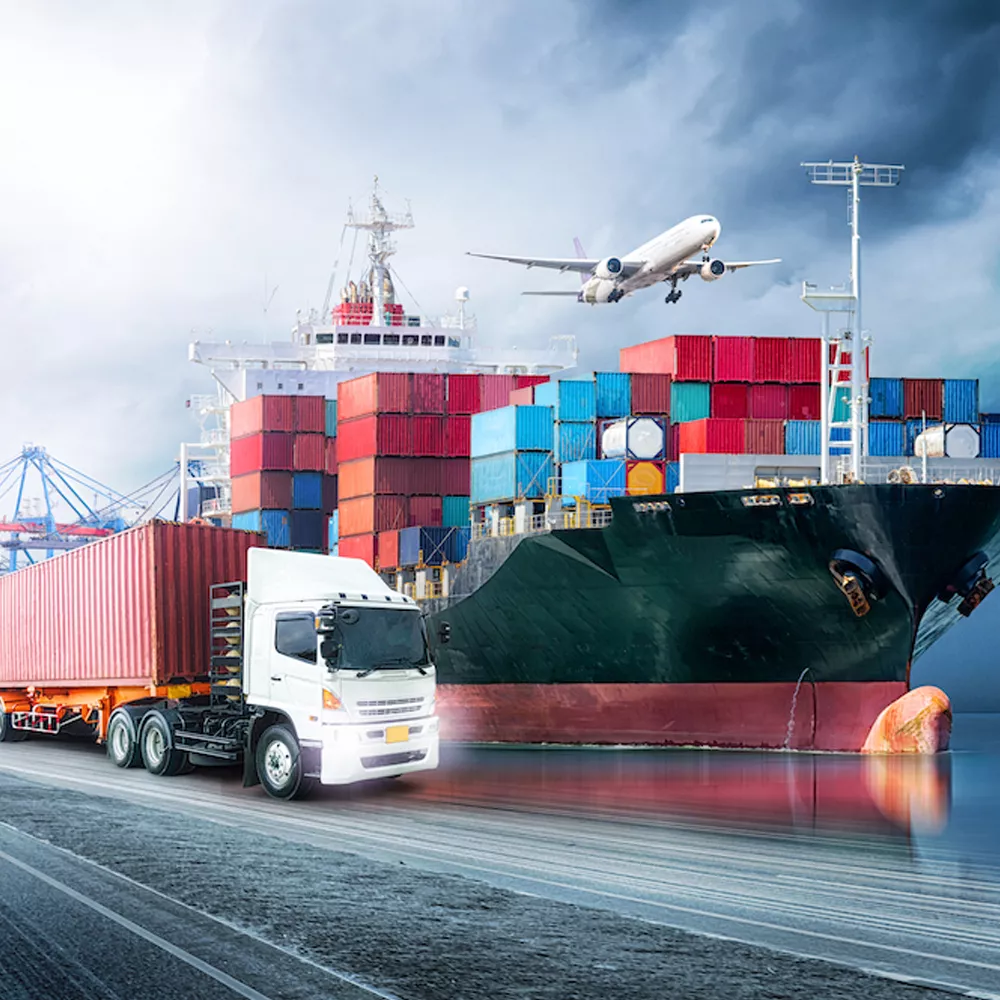
Cross trade shipments can use air freight, sea freight, or land transportation depending on the shipment requirements.
Industries That Use Cross Trade
Cross trade logistics is commonly used by:
- International trading companies
- Manufacturing supply chains
- Electronics distributors
- Retail wholesalers
- Industrial equipment suppliers
These industries rely on cross trade to simplify complex global logistics operations.
Why Cross Trade is Growing in Global Trade
As international commerce expands, businesses increasingly operate across multiple markets and supply chains.
Cross trade logistics allows companies to manage global shipments efficiently without requiring physical presence in every country involved.
This flexibility helps businesses reduce costs, improve delivery times, and expand into new markets.